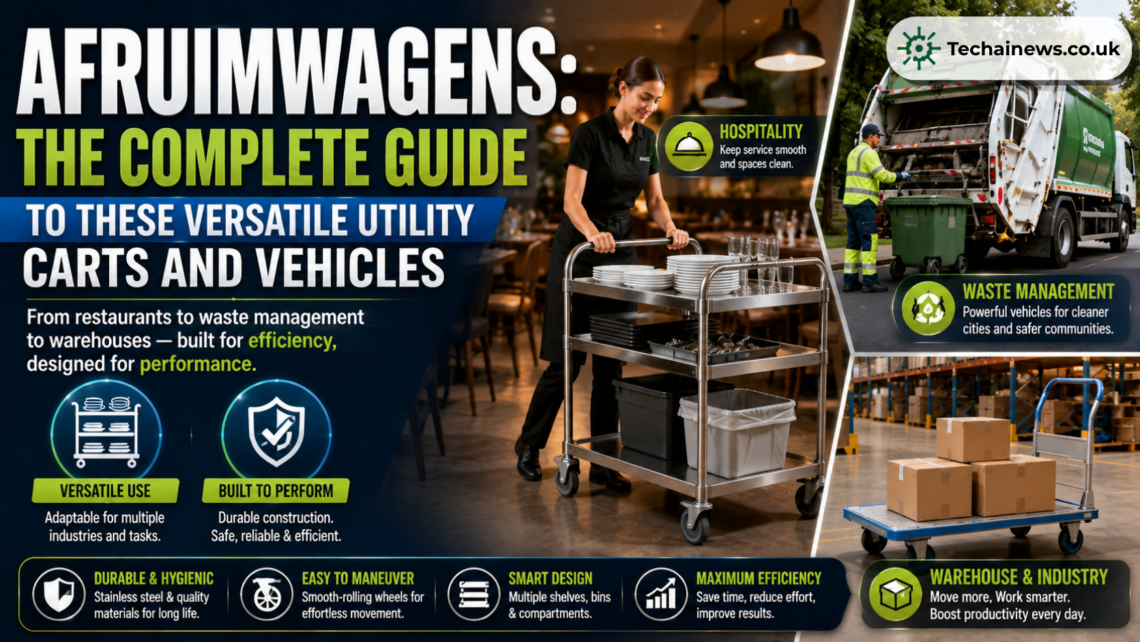
Afruimwagens: The Complete Guide to These Versatile Utility Carts and Vehicles
The word “afruimwagens” has been generating a lot of curiosity online. Search volumes have spiked as people encounter this Dutch term on social media, product listings, and international websites. If you have found yourself wondering what it means and why everyone seems to be talking about it, you are not alone.
The confusion is understandable. The term has multiple interpretations depending on the context. In the hospitality industry, an afruimwagen is a clearing cart used to collect dirty dishes and trays. In waste management, it refers to specialized service vehicles designed to remove debris and maintain public cleanliness. And in some circles, it has taken on a more adventurous meaning, describing unique vehicles used for travel and exploration.
This guide will explore all these meanings, helping you understand exactly what afruimwagens are, how they are used, and why they have become such a talked-about topic.
What Are Afruimwagens?
The term “afruimwagens” comes from the Dutch language. It combines “afruimen,” which means “to clear away,” and “wagens,” which means “vehicles” or “carts.” The literal translation is “clearing wagons” or “clearing vehicles.”
In simple terms, afruimwagens are work helper carts or vehicles designed to make it easier to carry, collect, or clear items from one place to another. They reduce physical effort, save time, and improve efficiency in busy environments.
However, the term is not limited to a single type of equipment. Depending on the industry and context, it can refer to anything from a small trolley in a restaurant kitchen to a large municipal cleaning vehicle on city streets.
African Ways in the Hospitality Industry
The most common use of aprons is in the hospitality sector. Restaurants, hotels, cafés, catering companies, and healthcare institutions all rely on these specialized clearing carts to manage the constant flow of used dishes, cutlery, trays, and waste.
How They Are Used
When diners finish their meals, staff need to clear tables quickly and discreetly. An أفريومwagen allows them to collect dishes from multiple tables in a single trip. This reduces the number of back-and-forth journeys to the kitchen, saves time, and allows staff to focus more on customer service.
The carts are designed to handle different types of items. Some have multiple shelves for separating plates, glasses, and cutlery. Others include dedicated bins for waste, racks for trays, or compartments for cutlery. This organization helps staff work more efficiently and reduces the risk of breakage.
Key Features
Modern African wages for hospitality are built with several important features:
- Stainless steel construction: This material is preferred because it is hygienic, resistant to corrosion, and highly durable. It is also easy to clean, which is essential in food service environments.
- Multiple shelves: Smaller models may have two tiers, while larger carts often have three or more levels. This allows staff to separate different types of items efficiently.
- High-quality wheels: Smooth-rolling casters with 360-degree swivel action allow staff to navigate narrow restaurant aisles or crowded event spaces with ease. Some premium models feature silent-rolling wheels to minimize disturbance in quiet environments.
- Ergonomic handles: Designed for easy pushing and pulling, reducing strain on staff.
- Rounded edges: Smooth, rounded edges prevent accidents and make the carts safer to use in busy environments.
- Noise reduction: Some models are designed to operate quietly, which is especially important in luxury hotels and healthcare settings.
Types of Hospitality Afruimwagens
There are several types of aprons used in the hospitality industry:
- Tray clearing carts: Designed specifically for collecting trays from tables. They often have rails to hold trays securely.
- Dish-clearing carts: Used for collecting plates, bowls, and other dishware. They may have multiple shelves or compartments.
- Glass clearing carts: Specialized for collecting glasses, often with padded compartments to prevent breakage.
- Combination carts: Versatile models that can handle dishes, glasses, cutlery, and waste all in one trip.
Afruimwagens in Waste Management
Another significant use of apramwagens is in waste management and municipal cleaning. In this context, the term refers to specialized service vehicles used to remove waste, debris, and leftover materials from streets, event locations, industrial zones, and public areas.
Purpose and Function
The primary purpose of these afvalwagens is to collect and transport waste efficiently. They are designed to handle large volumes of trash, debris, and recyclable materials in a short amount of time. This reduces manual labor and speeds up the cleanup process.
By removing waste promptly, these vehicles help maintain hygiene in public spaces. This reduces health risks, unpleasant odors, and environmental pollution.
Types of Waste Management: AFRIMWAGENS
Different types of vacuum cleaners are used for different cleaning tasks:
- Street cleaning afruimwagens: These are equipped with brushes, water systems, and suction mechanisms. They are used to clean roads, sidewalks, and parking areas, removing dust, leaves, and litter.
- Event cleanup afruimwagens: Used after concerts, festivals, sports events, and public celebrations. They are designed to collect large amounts of waste such as food packaging, cups, and promotional materials.
- Industrial and construction afruimwagens: In industrial or construction environments, these handle heavier debris such as scrap materials, packaging waste, and leftover construction materials. They are built to be more robust and durable.
Key Features of Waste Management Afruimwagens
These vehicles include several important features:
- Large storage capacity: Spacious containers or compartments allow them to operate longer without frequent unloading.
- Specialized cleaning equipment: Many are equipped with vacuum systems, rotating brushes, and water sprayers for thorough cleaning of various surfaces.
- Waste separation capabilities: Modern models are designed to support recycling efforts by collecting recyclable materials separately.
Role in Municipal Services
Municipalities rely heavily on Afrimwagens to maintain urban cleanliness. Regular street cleaning and waste removal prevent the buildup of debris and contribute to a cleaner city appearance.
These vehicles are also used during emergencies such as storms, floods, or accidents. They help remove debris quickly, ensuring roads and public spaces are safe and accessible.
Afruimwagens in Warehouses, Factories, and Retail
Beyond hospitality and waste management, afruimwagens are also widely used in warehouses, factories, and retail environments.
Applications
- Warehouses: Used for moving inventory between storage and shipping areas.
- Factories: Transporting materials and finished products along production lines.
- Retail stores: Stocking shelves and handling goods.
Types of Industrial Afruimwagens
Different models are designed for different tasks:
- Flatbed freight wagons: Ideal for carrying bulky or heavy items. The simple, flat surface allows easy loading and unloading.
- Shelved أفريموagens: Feature multiple tiers or shelves for transporting smaller items in an organized manner.
- Foldable aquarium wagons: Can be collapsed when not in use, saving storage space.
- Specialized infirwmages: Designed for niche applications, such as transporting fragile items or hot trays. These often include additional safety features like cushioned surfaces or heat-resistant materials.
Benefits for Businesses
Afruimwagens offer several advantages for businesses:
- Improved efficiency: Staff can transport more items in a single trip, reducing time and increasing productivity.
- Enhanced safety: Reduce the risk of injuries associated with lifting heavy objects manually. High-quality wheels and stable frames keep items secure during transport.
- Organizational benefits: Multiple shelves and compartments help keep items organized, simplifying inventory management.
- Versatility: Adapt to diverse operational needs across different industries.
The Adventure Interpretation of Afruimwagens
In some online discussions, afro-wagens have taken on a more adventurous meaning. Some sources describe them as unique vehicles that embody adventure, culture, and a connection to nature.
According to this interpretation, afruimwagens are not just modes of transportation but symbols of exploration and freedom. They originated in rural regions, initially designed for practical use by farmers and local communities. Over time, their distinctive designs began to reflect cultural heritage and artistry, with artisans pouring their creativity into embellishments.
Types of Adventure Afruimwagens
This interpretation describes several types:
- Family afruimwagens: Accommodate multiple passengers and offer ample storage space for road trips.
- Off-road afruimwagens: Designed to tackle rugged terrains with robust tires and enhanced suspension systems.
- Electric أفريموينز (afruimwagens): Combine sustainability with modern design, allowing eco-conscious travelers to explore without harming the environment.
- Luxury أفريومواجنز: Feature plush interiors and high-end amenities for a premium travel experience.
It is worth noting that this interpretation appears to be less common and may represent a creative or metaphorical use of the term. The more practical definitions related to clearing carts and waste management vehicles are more widely documented and used in professional contexts.
Why Is Afruimwagens Trending?
The sudden rise in searches for afruimwagens is mainly due to confusion and curiosity on the internet. There are several reasons for this trend:
- The word is not commonly used in English: It feels mysterious, and people naturally search for things they do not understand.
- Online shopping platforms: Some e-commerce sites list products using European or Dutch terms, which makes users curious.
- Content creators and blogs: Discussions about afruimwagens have increased search volume.
- AI tools and translation apps: These sometimes show the term in unexpected places, causing further confusion.
The trend is not because of something shocking or dangerous. It is simply a mix of curiosity and language confusion.
Choosing the Right Afrimwagens
If you are considering purchasing freight wagons for your business or organization, there are several factors to consider:
- Load capacity: Determine the maximum weight the cart will need to handle. Overloading can damage both the cart and its contents.
- Material: Common options include stainless steel, aluminum, and reinforced plastic. Stainless steel offers durability and hygiene, while plastic models are lighter and more affordable.
- Size and dimensions: Consider the space where the cart will be used. Compact units are best for smaller areas, while larger carts suit banquet halls and large venues.
- Number of shelves: Choose based on the types of items you need to transport. More shelves allow for better organization.
- Wheel quality: High-quality wheels with swivel action make maneuvering easier in tight spaces.
- Noise level: If quiet operation is important, look for models with silent-rolling casters.
Maintenance and Care
Proper maintenance extends the life of your أفريموڤاجنز and ensures safe operation:
- Regular cleaning: Remove dirt, debris, and any build-up that could hinder functionality. Use mild cleaning agents to avoid damaging sensitive components.
- Inspect wheels: Remove debris from casters and lubricate the ball bearings monthly.
- Check for damage: Regularly inspect the frame, shelves, and handles for signs of wear or damage.
- High-pressure cleaning: For industrial carts, high-pressure cleaning can be effective for removing stubborn dirt.
Common Misconceptions About Afruimwagens
Misconception: Afruimwagens are only used in restaurants.
While they are common in hospitality, they are also used in warehouses, factories, retail stores, waste management, and municipal services.
Misconception: All أفريماجنس are the same.
There are many different types designed for specific tasks, from small two-shelf carts to large industrial vehicles.
Misconception: The term refers to motorized vehicles only.
In many contexts, afruimwagens are manual pushcarts, not motorized vehicles.
Misconception: Afruimwagens are only used in the Netherlands.
While the term is Dutch, the equipment itself is used worldwide in various industries.
Frequently Asked Questions About Afruimwagens
What does afruimwagens mean?
“Afruimwagens” is a Dutch term that translates to “clearing wagons” or “clearing vehicles.” It refers to carts or vehicles used for collecting, carrying, and clearing items.
What are afruimwagens used for?
They are used in hospitality to collect dirty dishes and trays, in waste management to remove debris, in warehouses to transport goods, and in various other settings.
Are أفريموڤاجنز motorized vehicles?
Not necessarily. In many contexts, they are manual pushcarts with wheels. However, in waste management, they can refer to motorized service vehicles.
What materials are afruimwagens made from?
Common materials include stainless steel, aluminum, and reinforced plastic. Stainless steel is preferred for its hygiene and durability.
Why is afruimwagens trending online?
The trend is driven by curiosity and language confusion. People encounter the Dutch term online and search for its meaning.
Can I use aprons in a small café?
Yes, compact two-shelf models are available and are perfect for small cafés and eateries.
How do I maintain my أفريماجنس?
Regular cleaning, wheel inspection, and lubrication are essential for maintaining performance and extending the life of the equipment.
Are there different types of أفريماجنز?
Yes, types include flatbed, shelved, foldable, and specialized models designed for specific tasks.
What is the load capacity of freight wagons?
Load capacity varies widely, from lightweight carts suitable for a few dozen plates to industrial-grade carts that can transport hundreds of kilograms.
Are afruimwagens expensive?
Prices vary depending on size, material, and features. Stainless steel models with advanced features are more expensive than basic plastic models.
Final Thoughts
Afruimwagens are a perfect example of how a simple tool can have a significant impact on efficiency and productivity across multiple industries. Whether you are clearing tables in a busy restaurant, managing waste in a city, or transporting goods in a warehouse, the right forklift can make your work easier, faster, and safer.
The growing interest in the term reflects both the global reach of the Dutch language and the universal need for practical solutions to everyday challenges. While the word itself may seem unfamiliar, the concept is something that workers and businesses around the world rely on every day.
If you are considering adding afruimwagens to your operations, take the time to assess your specific needs. Consider the types of items you need to transport, the environment where the cart will be used, and the features that will make the biggest difference in your workflow. With the right choice, these workhorse carts can become an indispensable part of your daily operations.
Read More: Serlig: Unlocking the Many Meanings of a Digital Concept
Afruimwagens: The Complete Guide to These Versatile Utility Carts and Vehicles
The word “afruimwagens” has been generating a lot of curiosity online. Search volumes have spiked as people encounter this Dutch term on social media, product listings, and international websites. If you have found yourself wondering what it means and why everyone seems to be talking about it, you are not alone.
The confusion is understandable. The term has multiple interpretations depending on the context. In the hospitality industry, an afruimwagen is a clearing cart used to collect dirty dishes and trays. In waste management, it refers to specialized service vehicles designed to remove debris and maintain public cleanliness. And in some circles, it has taken on a more adventurous meaning, describing unique vehicles used for travel and exploration.
This guide will explore all these meanings, helping you understand exactly what afruimwagens are, how they are used, and why they have become such a talked-about topic.
What Are Afruimwagens?
The term “afruimwagens” comes from the Dutch language. It combines “afruimen,” which means “to clear away,” and “wagens,” which means “vehicles” or “carts.” The literal translation is “clearing wagons” or “clearing vehicles.”
In simple terms, afruimwagens are work helper carts or vehicles designed to make it easier to carry, collect, or clear items from one place to another. They reduce physical effort, save time, and improve efficiency in busy environments.
However, the term is not limited to a single type of equipment. Depending on the industry and context, it can refer to anything from a small trolley in a restaurant kitchen to a large municipal cleaning vehicle on city streets.
African Ways in the Hospitality Industry
The most common use of aprons is in the hospitality sector. Restaurants, hotels, cafés, catering companies, and healthcare institutions all rely on these specialized clearing carts to manage the constant flow of used dishes, cutlery, trays, and waste.
How They Are Used
When diners finish their meals, staff need to clear tables quickly and discreetly. An أفريومwagen allows them to collect dishes from multiple tables in a single trip. This reduces the number of back-and-forth journeys to the kitchen, saves time, and allows staff to focus more on customer service.
The carts are designed to handle different types of items. Some have multiple shelves for separating plates, glasses, and cutlery. Others include dedicated bins for waste, racks for trays, or compartments for cutlery. This organization helps staff work more efficiently and reduces the risk of breakage.
Key Features
Modern African wages for hospitality are built with several important features:
- Stainless steel construction: This material is preferred because it is hygienic, resistant to corrosion, and highly durable. It is also easy to clean, which is essential in food service environments.
- Multiple shelves: Smaller models may have two tiers, while larger carts often have three or more levels. This allows staff to separate different types of items efficiently.
- High-quality wheels: Smooth-rolling casters with 360-degree swivel action allow staff to navigate narrow restaurant aisles or crowded event spaces with ease. Some premium models feature silent-rolling wheels to minimize disturbance in quiet environments.
- Ergonomic handles: Designed for easy pushing and pulling, reducing strain on staff.
- Rounded edges: Smooth, rounded edges prevent accidents and make the carts safer to use in busy environments.
- Noise reduction: Some models are designed to operate quietly, which is especially important in luxury hotels and healthcare settings.
Types of Hospitality Afruimwagens
There are several types of aprons used in the hospitality industry:
- Tray clearing carts: Designed specifically for collecting trays from tables. They often have rails to hold trays securely.
- Dish-clearing carts: Used for collecting plates, bowls, and other dishware. They may have multiple shelves or compartments.
- Glass clearing carts: Specialized for collecting glasses, often with padded compartments to prevent breakage.
- Combination carts: Versatile models that can handle dishes, glasses, cutlery, and waste all in one trip.
Afruimwagens in Waste Management
Another significant use of apramwagens is in waste management and municipal cleaning. In this context, the term refers to specialized service vehicles used to remove waste, debris, and leftover materials from streets, event locations, industrial zones, and public areas.
Purpose and Function
The primary purpose of these afvalwagens is to collect and transport waste efficiently. They are designed to handle large volumes of trash, debris, and recyclable materials in a short amount of time. This reduces manual labor and speeds up the cleanup process.
By removing waste promptly, these vehicles help maintain hygiene in public spaces. This reduces health risks, unpleasant odors, and environmental pollution.
Types of Waste Management: AFRIMWAGENS
Different types of vacuum cleaners are used for different cleaning tasks:
- Street cleaning afruimwagens: These are equipped with brushes, water systems, and suction mechanisms. They are used to clean roads, sidewalks, and parking areas, removing dust, leaves, and litter.
- Event cleanup afruimwagens: Used after concerts, festivals, sports events, and public celebrations. They are designed to collect large amounts of waste such as food packaging, cups, and promotional materials.
- Industrial and construction afruimwagens: In industrial or construction environments, these handle heavier debris such as scrap materials, packaging waste, and leftover construction materials. They are built to be more robust and durable.
Key Features of Waste Management Afruimwagens
These vehicles include several important features:
- Large storage capacity: Spacious containers or compartments allow them to operate longer without frequent unloading.
- Specialized cleaning equipment: Many are equipped with vacuum systems, rotating brushes, and water sprayers for thorough cleaning of various surfaces.
- Waste separation capabilities: Modern models are designed to support recycling efforts by collecting recyclable materials separately.
Role in Municipal Services
Municipalities rely heavily on Afrimwagens to maintain urban cleanliness. Regular street cleaning and waste removal prevent the buildup of debris and contribute to a cleaner city appearance.
These vehicles are also used during emergencies such as storms, floods, or accidents. They help remove debris quickly, ensuring roads and public spaces are safe and accessible.
Afruimwagens in Warehouses, Factories, and Retail
Beyond hospitality and waste management, afruimwagens are also widely used in warehouses, factories, and retail environments.
Applications
- Warehouses: Used for moving inventory between storage and shipping areas.
- Factories: Transporting materials and finished products along production lines.
- Retail stores: Stocking shelves and handling goods.
Types of Industrial Afruimwagens
Different models are designed for different tasks:
- Flatbed freight wagons: Ideal for carrying bulky or heavy items. The simple, flat surface allows easy loading and unloading.
- Shelved أفريموagens: Feature multiple tiers or shelves for transporting smaller items in an organized manner.
- Foldable aquarium wagons: Can be collapsed when not in use, saving storage space.
- Specialized infographics: Designed for niche applications, such as transporting fragile items or hot trays. These often include additional safety features like cushioned surfaces or heat-resistant materials.
Benefits for Businesses
Afruimwagens offer several advantages for businesses:
- Improved efficiency: Staff can transport more items in a single trip, reducing time and increasing productivity.
- Enhanced safety: Reduce the risk of injuries associated with lifting heavy objects manually. High-quality wheels and stable frames keep items secure during transport.
- Organizational benefits: Multiple shelves and compartments help keep items organized, simplifying inventory management.
- Versatility: Adapt to diverse operational needs across different industries.
The Adventure Interpretation of Afruimwagens
In some online discussions, afro-wagens have taken on a more adventurous meaning. Some sources describe them as unique vehicles that embody adventure, culture, and a connection to nature.
According to this interpretation, afruimwagens are not just modes of transportation but symbols of exploration and freedom. They originated in rural regions, initially designed for practical use by farmers and local communities. Over time, their distinctive designs began to reflect cultural heritage and artistry, with artisans pouring their creativity into embellishments.
Types of Adventure Afruimwagens
This interpretation describes several types:
- Family afruimwagens: Accommodate multiple passengers and offer ample storage space for road trips.
- Off-road afruimwagens: Designed to tackle rugged terrains with robust tires and enhanced suspension systems.
- Electric أفريموينز (afruimwagens): Combine sustainability with modern design, allowing eco-conscious travelers to explore without harming the environment.
- Luxury أفريومواجنز: Feature plush interiors and high-end amenities for a premium travel experience.
It is worth noting that this interpretation appears to be less common and may represent a creative or metaphorical use of the term. The more practical definitions related to clearing carts and waste management vehicles are more widely documented and used in professional contexts.
Why Is Afruimwagens Trending?
The sudden rise in searches for afruimwagens is mainly due to confusion and curiosity on the internet. There are several reasons for this trend:
- The word is not commonly used in English: It feels mysterious, and people naturally search for things they do not understand.
- Online shopping platforms: Some e-commerce sites list products using European or Dutch terms, which makes users curious.
- Content creators and blogs: Discussions about afruimwagens have increased search volume.
- AI tools and translation apps: These sometimes show the term in unexpected places, causing further confusion.
The trend is not because of something shocking or dangerous. It is simply a mix of curiosity and language confusion.
Choosing the Right Afrimwagens
If you are considering purchasing freight wagons for your business or organization, there are several factors to consider:
- Load capacity: Determine the maximum weight the cart will need to handle. Overloading can damage both the cart and its contents.
- Material: Common options include stainless steel, aluminum, and reinforced plastic. Stainless steel offers durability and hygiene, while plastic models are lighter and more affordable.
- Size and dimensions: Consider the space where the cart will be used. Compact units are best for smaller areas, while larger carts suit banquet halls and large venues.
- Number of shelves: Choose based on the types of items you need to transport. More shelves allow for better organization.
- Wheel quality: High-quality wheels with swivel action make maneuvering easier in tight spaces.
- Noise level: If quiet operation is important, look for models with silent-rolling casters.
Maintenance and Care
Proper maintenance extends the life of your أفريموڤاجنز and ensures safe operation:
- Regular cleaning: Remove dirt, debris, and any build-up that could hinder functionality. Use mild cleaning agents to avoid damaging sensitive components.
- Inspect wheels: Remove debris from casters and lubricate the ball bearings monthly.
- Check for damage: Regularly inspect the frame, shelves, and handles for signs of wear or damage.
- High-pressure cleaning: For industrial carts, high-pressure cleaning can be effective for removing stubborn dirt.
Common Misconceptions About Afruimwagens
Misconception: Afruimwagens are only used in restaurants.
While they are common in hospitality, they are also used in warehouses, factories, retail stores, waste management, and municipal services.
Misconception: All أفريماجنس are the same.
There are many different types designed for specific tasks, from small two-shelf carts to large industrial vehicles.
Misconception: The term refers to motorized vehicles only.
In many contexts, afruimwagens are manual pushcarts, not motorized vehicles.
Misconception: Afruimwagens are only used in the Netherlands.
While the term is Dutch, the equipment itself is used worldwide in various industries.
Frequently Asked Questions About Afruimwagens
What does afruimwagens mean?
“Afruimwagens” is a Dutch term that translates to “clearing wagons” or “clearing vehicles.” It refers to carts or vehicles used for collecting, carrying, and clearing items.
What are afruimwagens used for?
They are used in hospitality to collect dirty dishes and trays, in waste management to remove debris, in warehouses to transport goods, and in various other settings.
Are أفريموڤاجنز motorized vehicles?
Not necessarily. In many contexts, they are manual pushcarts with wheels. However, in waste management, they can refer to motorized service vehicles.
What materials are afruimwagens made from?
Common materials include stainless steel, aluminum, and reinforced plastic. Stainless steel is preferred for its hygiene and durability.
Why is afruimwagens trending online?
The trend is driven by curiosity and language confusion. People encounter the Dutch term online and search for its meaning.
Can I use aprons in a small café?
Yes, compact two-shelf models are available and are perfect for small cafés and eateries.
How do I maintain my أفريماجنس?
Regular cleaning, wheel inspection, and lubrication are essential for maintaining performance and extending the life of the equipment.
Are there different types of أفريماجنز?
Yes, types include flatbed, shelved, foldable, and specialized models designed for specific tasks.
What is the load capacity of freight wagons?
Load capacity varies widely, from lightweight carts suitable for a few dozen plates to industrial-grade carts that can transport hundreds of kilograms.
Are afruimwagens expensive?
Prices vary depending on size, material, and features. Stainless steel models with advanced features are more expensive than basic plastic models.
Final Thoughts
Afruimwagens are a perfect example of how a simple tool can have a significant impact on efficiency and productivity across multiple industries. Whether you are clearing tables in a busy restaurant, managing waste in a city, or transporting goods in a warehouse, the right forklift can make your work easier, faster, and safer.
The growing interest in the term reflects both the global reach of the Dutch language and the universal need for practical solutions to everyday challenges. While the word itself may seem unfamiliar, the concept is something that workers and businesses around the world rely on every day.
If you are considering adding freight wagons to your operations, take the time to assess your specific needs. Consider the types of items you need to transport, the environment where the cart will be used, and the features that will make the biggest difference in your workflow. With the right choice, these workhorse carts can become an indispensable part of your daily operations.
Read More: Serlig: Unlocking the Many Meanings of a Digital Concept





One comment on “Afruimwagens: Guide to Versatile Utility Carts & Vehicles”