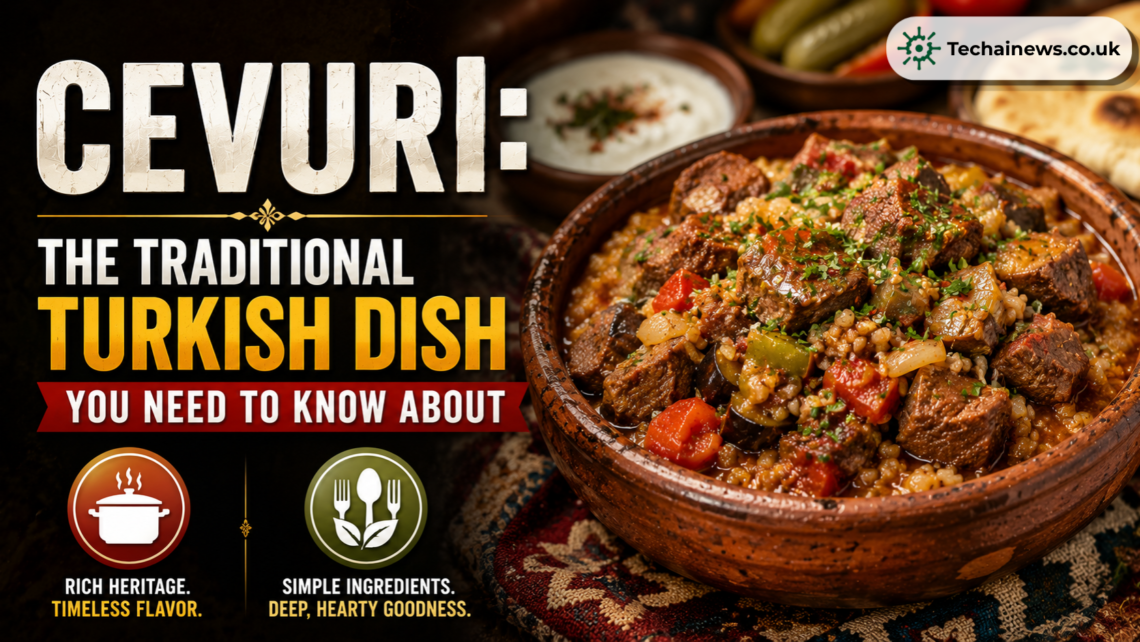
Cevurı: The Traditional Turkish Dish You Need to Know About
Turkish cuisine is famous around the world for its kebabs, baklava, and rich meze plates. But beneath the surface of these well-known dishes lies a whole world of regional specialties that most people have never heard of. One such dish is cevurı.
Cevurı is a traditional Turkish dish that comes from the heart of Anatolia. It is a slow-cooked meal that combines meat, grains, and vegetables into a hearty, comforting dish that has been feeding families for generations. Unlike the flashy kebabs that dominate restaurant menus, cevurı is humble, honest, and deeply rooted in the rural cooking traditions of Turkey.
For those who have traveled through the small villages of central and eastern Anatolia, cevurı might be a familiar name. But for most people, even those who know Turkish food well, this dish remains a mystery. That is a shame, because cevurı offers something special. It is the kind of food that warms you from the inside out, the kind of meal that brings families together around the table on cold evenings.
This article will take you through everything you need to know about cevurı. You will learn where it comes from, what goes into it, how it is cooked, and why it deserves a place in your kitchen. Whether you are a food lover looking for new recipes to try or simply curious about Turkish culinary traditions, this guide will give you the full picture.
What Is Cevurı?
Cevurı is a traditional Turkish dish that varies quite a bit depending on where you are in the country. In some regions, it takes the form of grilled or pan-cooked meat patties, similar to köfte. In others, it becomes a rustic stew that simmers for hours on the stove. Despite these differences, the core idea remains the same. Cevurı is about simple ingredients, slow cooking, and deep, satisfying flavor.
The dish is especially popular in rural parts of Anatolia, where families have been passing down their own versions for generations. It is not the kind of food you are likely to find in a fancy Istanbul restaurant. Cevurı lives in local kitchens, where cooks rely on stories and memory rather than written recipes.
One reason cevurı has remained relatively unknown is the confusion around its name. The word “cevurı” is sometimes confused with “çeviri,” which means translation in Turkish. There are also several different spellings used online, which adds to the mystery. But regardless of how you spell it, the dish itself is a true hidden gem of Turkish cuisine.
The Origins and History of Cevurı
Cevurı has deep roots in the farming communities of Turkey, particularly in the central and eastern parts of Anatolia. This region is known for its hearty, practical cooking, built around livestock and seasonal produce. For centuries, rural families depended on what they could grow or raise themselves. They needed meals that were nourishing, affordable, and easy to prepare in large quantities.
The history of cevurı is tied to life in the countryside. People used meat from their own animals, grains from local fields, and spices they could store through the winter. The dish became a practical choice. It required few ingredients, kept people full, and fit well with the slow pace of rural life.
As nomadic tribes settled into permanent villages, cevurı evolved from a survival meal into a symbol of cultural heritage. Families passed recipes from parent to child without measuring tools or published cookbooks. Older cooks in small towns often mention cevurı with pride, describing how they prepared it for festivals, weddings, or long evenings when families gathered around the table.
This quiet background explains why cevurı feels rare. It never moved into mainstream restaurants. It stayed close to its original home and remains tied to the culture that created it. Today, it stands as a testament to the history and resilience of the Turkish people.
The Main Ingredients Used in Cevurı
One of the reasons cevurı is so beloved is its rich combination of simple but flavorful ingredients. The dish uses items that were traditionally easy to find in rural Anatolia, making it accessible to families of all means.
Protein
Meat is the center of most cevurı dishes. Lamb and beef are the most common choices, as these were the livestock available in Anatolia. Some regions use chicken, and there are also vegetarian versions that rely on legumes. The meat is often marinated in yogurt and spices before cooking, which helps tenderize it and adds depth of flavor.
Grains
Grains form an important part of the dish. Bulgur, cracked wheat, rice, and corn are all used, depending on the region and family tradition. Bulgur is especially common because it adds a nutty flavor and gives the dish a hearty texture that remains satisfying for hours.
Vegetables
Onions, tomatoes, peppers, and eggplants are slowly simmered into the mixture until they become soft and deeply flavorful. These vegetables add sweetness, color, and nutrition to the dish. Some recipes also include garlic and bell peppers for additional flavor.
Spices and Herbs
The spice blend is what gives cevurı its distinctive character. Cumin, paprika, and black pepper are almost always present. Some regions add a touch of red pepper flakes for heat. Fresh herbs like parsley, mint, and dill are also common, adding brightness that balances the richness of the meat and fats.
Fats and Oils
Olive oil or animal fat is used to sauté the vegetables and meat, adding richness and helping the flavors meld together. In traditional kitchens, the fat from the meat itself also contributes to the dish’s deep, savory taste.
How Cevurı Is Cooked
The cooking method is what truly sets cevurı apart. This is not a quick meal. It is a dish that demands patience.
Slow Cooking
Slow cooking is the heart of cevurı. The ingredients are simmered for hours over low heat, allowing the flavors to develop fully. This process softens the grains and meat while creating a rich, complex taste that makes the meal feel luxurious despite its humble ingredients.
Traditional kitchens rely on wood fires or charcoal grills. The slow heat helps release fat from the meat and gives cevurı its characteristic smoky aroma. If a wood fire is not available, a heavy-bottomed pan or clay pot over a gentle flame can also work well.
Two Main Styles
There are two primary ways cevurı is prepared.
The meat patty style involves shaping the seasoned meat mixture into small patties and cooking them on a hot pan or over charcoal. This version is similar to köfte and is often served with rice pilaf or yogurt sauce.
The stew style turns the mixture into a slow-cooked stew with onions, tomatoes, and peppers. This version is more common in colder months and is often cooked in large batches for gatherings.
Both methods aim for tenderness and deep flavor without heavy sauces. The aroma of cevurı cooking usually fills the home long before the meal is ready, building anticipation around the table.
Regional Variations
Cevurı varies significantly across Turkey’s diverse regions. Each area adds its unique flair, influenced by local ingredients and culinary traditions.
In the Aegean region, cevurı features fresh herbs and regional spices. This version often highlights the flavors of olive oil and lemon, making it lighter and brighter.
Heading east to Anatolia, cevurı takes on heartier elements. The meat is more robust, and rich sauces or stews are common. This is the version most people think of when they hear the name.
In coastal areas like Antalya, seafood can become the star ingredient. Fresh fish combined with aromatic seasonings showcases the bounty of the Mediterranean.
In some villages, walnuts or pistachios are added at the end for a crunchy texture that contrasts beautifully with the soft grains and tender meat. These regional nuances make exploring cevurı an adventure for the taste buds.
Health Benefits of Cevurı
Cevurı is not just delicious. It is also remarkably good for you.
Rich in Protein
The primary component of cevurı is meat or legumes, both of which are excellent sources of protein. Protein is vital for muscle repair and growth, making this dish a great choice for active individuals.
High in Fiber
The grains and vegetables in cevurı provide a significant amount of dietary fiber. Fiber aids digestion, helps maintain a healthy gut, and keeps you feeling full for longer.
Packed with Vitamins and Minerals
The variety of vegetables used in cevurı means it is loaded with essential vitamins and minerals. These nutrients support overall well-being, from heart health to immune function.
Healthy Fats
Many recipes use olive oil, which is known for its anti-inflammatory properties and cardiovascular benefits. The dish may also include nuts, which contribute healthy fats that support brain function.
Metabolism Boost
The spices used in cevurı, such as cumin and paprika, can help boost metabolism and support immune function.
Enjoying cevurı means indulging in rich flavors while nourishing your body at the same time. It is truly a dish that delights the palate without compromising on nutrition.
Cultural Significance of Cevurı
Cevurı holds a special place in Turkish cuisine, not just for its taste but for what it represents.
Traditional Turkish home cooking is based on patience, balance, hospitality, and the ability to transform ordinary ingredients into extraordinary meals. Cevurı perfectly reflects this philosophy because the dish relies more on technique and care than expensive ingredients.
Families traditionally believed that good food should nourish both the body and the spirit. Meals like cevurı became central to family life. The dish is usually cooked in large pots and served communally, making it a symbol of togetherness and generosity.
Turkish families often gather around the table for long meals filled with conversation, storytelling, and hospitality. Cevurı naturally fits this atmosphere because its slow preparation and rich flavor encourage people to slow down and enjoy the experience of sharing food with loved ones.
The dish often appears at festive gatherings and family celebrations, symbolizing hospitality and generosity. In many ways, cevurı is more than food. It is a connection to the past, a link to the land, and a celebration of community.
How to Make Cevurı at Home
While traditional cevurı is cooked over a wood fire, you can make a delicious version in your own kitchen. Here is a basic recipe to get you started.
Ingredients
For the meat mixture, you will need about 500 grams of ground lamb or beef. Finely chop one large onion and three cloves of garlic. You will also need a handful of fresh parsley and mint, chopped. For spices, gather cumin, paprika, black pepper, and salt. If you are making the stew version, you will also need tomatoes, bell peppers, and eggplant.
Preparation
Start by combining the ground meat with the chopped onion, garlic, herbs, and spices. Mix everything together thoroughly. If you have time, let the mixture marinate in the refrigerator for at least an hour. This allows the flavors to meld together.
If you are making patties, shape the mixture into small, flat rounds. Heat a pan with some olive oil and cook the patties until they are golden brown on both sides. The inside should remain tender and juicy.
If you are making the stew version, sauté the vegetables in a large pot until they soften. Add the meat mixture and enough water or stock to cover everything. Bring to a simmer, then reduce the heat and let it cook slowly for at least two hours. The longer it cooks, the deeper the flavor will become.
Serving Suggestions
Cevurı is traditionally served on large wooden platters or in the clay pot it was cooked in. It pairs beautifully with rice pilaf, bulgur, or crusty bread. A side of yogurt sauce or pickles adds an extra layer of flavor and texture. Garnish with fresh herbs like parsley or dill for a bright finish.
Common Mistakes to Avoid
Making cevurı is not complicated, but there are a few pitfalls to watch out for.
Rushing the Cooking Process
Cevurı is meant to be slow-cooked. Rushing it will result in tough meat and underdeveloped flavors. Give the dish the time it needs. The low and slow approach is what makes it special.
Skipping the Marinade
Marinating the meat is not just for flavor. The yogurt and spices help tenderize the meat, making it more succulent. Skipping this step will leave you with a less satisfying result.
Overcrowding the Pan
If you are making the patty version, do not overcrowd the pan. The patties need space to cook evenly and develop a good crust. Cook them in batches if necessary.
Using Too Much Heat
High heat will burn the outside of the patties or stew before the inside is cooked. Keep the heat moderate and let the dish cook slowly.
Forgetting the Herbs
Fresh herbs are essential for balancing the richness of the meat. Do not skip them. They add brightness and complexity that make the dish sing.
Frequently Asked Questions About Cevurı
What is cevurı?
Cevurı is a traditional Turkish dish from Anatolia. It is a slow-cooked meal that combines meat, grains, and vegetables. It can be made as grilled patties or as a hearty stew.
Where does cevurı come from?
Cevurı comes from the central and eastern parts of Anatolia in Turkey. It has deep roots in the farming communities of the region.
What is the difference between cevurı and köfte?
While both are Turkish meat dishes, cevurı is more varied. It can be a stew as well as patties, and it often includes grains and vegetables that are not typically found in köfte.
What meat is used in cevurı?
Lamb and beef are the most common meats used in cevurı. Some regions use chicken, and there are also vegetarian versions.
What spices are in cevurı?
Cumin, paprika, and black pepper are the primary spices. Some recipes also include red pepper flakes for heat and fresh herbs like parsley and mint.
Is cevurı healthy?
Yes, cevurı is rich in protein, fiber, vitamins, and minerals. It often includes healthy fats from olive oil and nuts, making it a nutritious choice.
How long does it take to cook cevurı?
Cevurı is a slow-cooked dish. The stew version can take two hours or more to develop its full flavor. The patty version cooks faster but still benefits from marinating time.
Can I make cevurı at home?
Absolutely. With simple ingredients and a bit of patience, you can make a delicious version of cevurı in your own kitchen.
What do you serve with cevurı?
Cevurı is often served with rice pilaf, bulgur, or bread. A side of yogurt sauce or pickles complements the dish beautifully.
Why is cevurı not more well-known?
Cevurı has remained a regional dish, passed down through families in rural Anatolia. It never became a staple in mainstream restaurants, which is why many people have never heard of it.
Final Thoughts
Cevurı is a dish that deserves more attention. It represents everything that is wonderful about traditional Turkish cooking: simplicity, patience, and a deep respect for ingredients. It is the kind of food that nourishes not just the body but also the soul.
For those who have never tried it, cevurı offers a chance to experience a side of Turkish cuisine that is often overlooked. It is a reminder that the best food is not always the most famous. Sometimes, the greatest culinary treasures are the ones that have stayed close to home, passed down through generations in the quiet kitchens of rural villages.
If you have the chance to try cevurı, whether in a small Anatolian town or made in your own kitchen, do not pass it up. Take the time to savor it, to appreciate the care that went into its preparation, and to share it with the people you love. That is what cevurı is all about.
Read More: Pigeimmo Guide: Transforming the Real Estate Platform





One comment on “Cevurı Guide: The Traditional Turkish Dish You Need to Know”