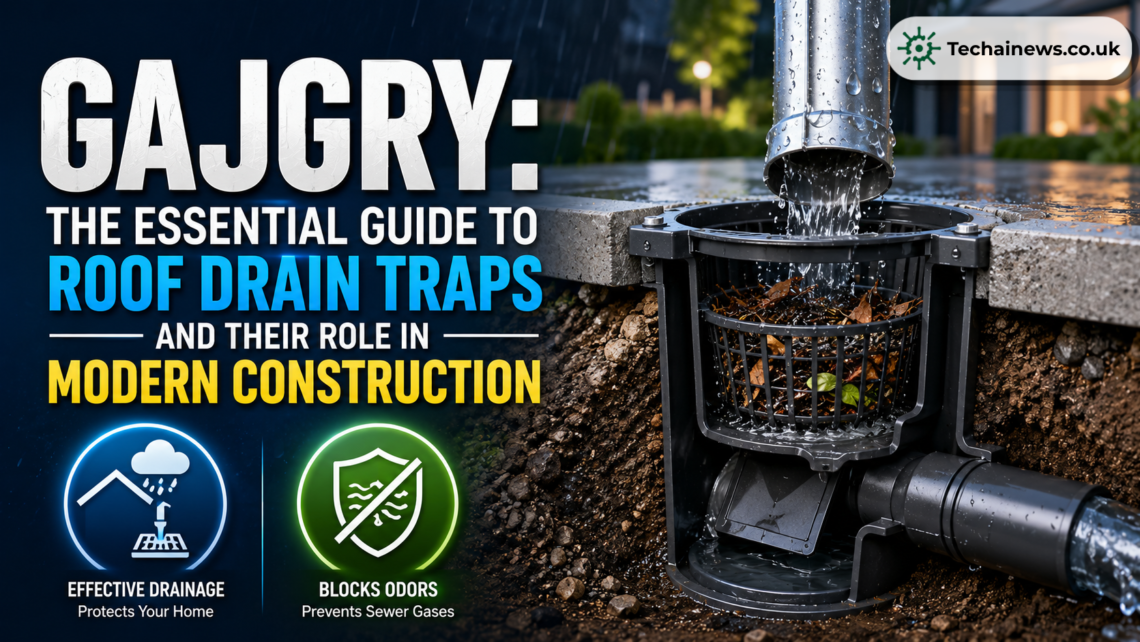
Gajgry: The Essential Guide to Roof Drain Traps and Their Role in Modern Construction
Rainwater management is one of those things that most people never think about until something goes wrong. A clogged drain, a flooded basement, or a foul smell coming from the pipes can turn a peaceful home into a source of constant frustration. Yet the solution to these problems is often hidden in plain sight, buried beneath the ground or tucked away at the bottom of a downspout.
In the world of construction and plumbing, there is a small but critically important component that plays a huge role in keeping buildings dry and odor-free. In Czech and Slovak construction terminology, it is called a “gajgr” (plural “gajgry”). This unassuming device serves as the bridge between your roof’s drainage system and the underground sewer network.
Whether you are a homeowner dealing with a stubborn clog, a contractor planning a new build, or simply someone curious about how buildings actually work, understanding GAGRY can save you time, money, and a great deal of frustration. This article will walk you through everything you need to know about these essential devices.
What Exactly Is a Gaggle?
A gagger is a connecting element that sits between the downspout from your roof gutters and the horizontal underground drainage pipe that carries rainwater away from your building. Think of it as the transition point where water changes direction, moving from vertical to horizontal flow.
The word itself has an interesting linguistic background. “Gajgr” is a Czech term derived from the German name “Geiger,” and it is also spelled as “Geigr” or “Gejgr” in some contexts. Regardless of the spelling, the function remains the same.
In technical terms, a gully is a type of sediment trap or roof drain trap. Its primary job is to catch debris, leaves, dirt, and other materials that wash off your roof during rainstorms. Without this device, all that debris would flow directly into your underground drainage pipes, eventually causing blockages that are expensive and difficult to clear.
The gadget also serves a second crucial purpose. It acts as a seal against sewer gases. The device is equipped with a special flap or trap that prevents unpleasant odors from the sewer system from traveling back up through the drain and escaping near your home.
Why Gajgry Matters for Your Property
Many property owners underestimate the importance of proper rainwater drainage. Water is relentless. Given enough time and opportunity, it will find its way into basements, weaken foundations, and create damp conditions that damage both buildings and health.
A properly installed gauge prevents several common problems.
First, it stops debris from entering the underground drainage network. Leaves, twigs, moss, and gravel that wash off your roof can accumulate in pipes over time. This buildup reduces the pipe’s capacity to carry water, leading to backups and overflows. During heavy rain, a partially blocked pipe can cause water to pool around your foundation, increasing the risk of basement flooding.
Second, the gauge provides an inspection point for your drainage system. Most models come with a removable cover or inspection hatch that allows you to check the condition of the trap and clear out any accumulated debris. This accessibility means you can perform routine maintenance without digging up your yard or calling an expensive plumber.
Third, the device protects your underground pipes from physical damage. Roof runoff often carries small stones and other abrasive materials. Over time, these particles can wear down the interior of your pipes. The gadget catches these materials before they can cause harm.
How Garries Are Constructed
The typical gajgr is a relatively simple device, but its design reflects careful engineering. Most units are made from durable plastic materials like polypropylene, which resists corrosion, UV damage, and temperature extremes. Some older or heavy-duty models are made from cast iron, though plastic has become the standard for most residential applications.
The key components of a standard gauge include:
The main body houses the entire mechanism and connects to both the downspout above and the drainage pipe below. The body is usually conical or tapered, which helps prevent damage from freezing water.
Inside the body, you will find a removable basket or strainer that catches leaves and other debris. This basket can be lifted out for cleaning, making maintenance straightforward.
A flap or trap mechanism prevents sewer gases from escaping. There are two main types. The dry trap uses a flap that seals when no water is flowing. The wet trap maintains a small amount of water at the bottom, creating a water seal that blocks odors.
The top of the unit features a cover or inspection hatch that can be opened for cleaning and inspection.
Types of Gajgry Available
Not all gadgets are the same. They come in several configurations to suit different installation requirements.
Based on Outlet Direction
The most fundamental distinction is based on the direction of the outlet.
Spodní gajgry have a bottom outlet. Water flows straight down into the underground pipe. This design is used when the drainage pipe runs directly beneath the downspout.
Boční gajgry have a side outlet. Water exits horizontally and then transitions to the underground pipe. This is useful when the drainage pipe cannot be placed directly under the downspout due to obstacles or space constraints.
Based on Trap Type
The trap mechanism also defines the type of gadget.
Such a dry flapper seals when no water is flowing. All water drains away completely, leaving no standing water inside the device. This design is less prone to freezing in winter.
Mokré gajgry maintain a small pool of water at the bottom. This water creates a seal against sewer gases. However, because water remains in the device, there is a slight risk of freezing in very cold climates. Manufacturers address this through the conical shape of the body, which allows expanding ice to move upward rather than cracking the unit.
Based on Connection Size
Gaskets are available in different diameters to match standard pipe sizes. The most common outlet diameters are 100 mm, 110 mm, and 125 mm. The choice depends on the size of your downspout and the drainage pipe.
Based on Downspout Shape
The top connection must match your downspout. Some gaggries are designed for round downspouts, while others accommodate square or rectangular profiles.
Choosing the Right Gadget for Your Project
Selecting the correct gadget requires careful consideration of several factors.
Start by examining your existing drainage setup. If you are replacing an old unit, measure the diameter of the outlet pipe and the shape and size of your downspout. These measurements will guide your selection.
Consider the direction of your underground drainage pipe. If the pipe runs directly below the downspout, a bottom-outlet model is appropriate. If the pipe runs to the side, you will need a side-outlet version.
Think about your climate. In areas with harsh winters, a dry gauge may be preferable because it does not hold standing water that could freeze. In milder climates, either type will work.
Consider the anticipated volume of water and debris. If your roof is surrounded by trees, you will need a rake with a large basket that can hold significant amounts of leaves and twigs between cleanings.
Finally, check local building codes. Some jurisdictions have specific requirements for rainwater drainage systems, including the type of sediment trap that must be used.
Installation Best Practices
Proper installation is critical for the gadget to function correctly. Mistakes during installation can lead to leaks, blockages, and premature failure.
The installation process typically begins with preparing a space for the unit. You will need to dig a hole approximately 35 by 40 centimeters wide and about 20 centimeters deep at the base of your downspout.
The gauge is then placed on the underground drainage pipe. The downspout is positioned to feed into the top of the unit, with the bottom of the downspout sitting about 2 to 4 centimeters below the cover level.
Once the unit is correctly positioned, it should be secured with concrete. A minimum thickness of 10 centimeters of concrete (grade C20/25 or B25) is recommended to provide stability and prevent shifting. Some installers use sand or soil as backfill, but this softer material can compact unevenly over time, causing the unit to become loose.
During the concrete pour, protect the visible parts of the gauge from contamination. Cover the top and any exposed surfaces to keep concrete from entering the mechanism.
After the concrete has cured, the cover can be installed. Ensure that the cover is level with the surrounding surface so it does not create a tripping hazard or collect water.
Common Mistakes and Misconceptions
Despite their simplicity, gajrys are often misunderstood. Clearing up these misconceptions can help you make better decisions about your drainage system.
Misconception: Any Drain Trap Will Work
Some people assume that any sediment trap or drain cover will perform the same function. This is not accurate. Gauges are specifically designed to handle the volume and type of debris that comes from roof runoff. Using a general-purpose floor drain in this application can lead to clogs and inadequate sealing against odors.
Misconception: Gadgets Are Optional
In many jurisdictions, sediment traps for roof drainage are required by building code. Even where they are not mandatory, skipping this component is a false economy. The cost of clearing a blocked underground drain far exceeds the price of a properly installed gadget.
Misconception: Once Installed, They Require No Maintenance
This is perhaps the most dangerous misconception. Gagry needs regular cleaning. Leaves and debris accumulate in the basket over time. If the basket becomes full, water will overflow around it, carrying debris directly into the drainage pipe. Eventually, the pipe will clog.
Misconception: All Gajgry Are the Same
As discussed earlier, GAGRY comes in different configurations for different applications. Using the wrong type can lead to poor performance. A bottom-outlet unit installed where a side-outlet is needed will create unnecessary bends and restrictions in the drainage path.
Misconception: They Are Only for Large Buildings
Every building with a roof and gutters can benefit from a properly installed gager. Even small homes generate significant roof runoff during storms. The debris that washes off a roof can be substantial, especially if trees overhang the structure.
Maintenance and Care
Keeping your gadget in good working condition is straightforward but essential.
Plan to inspect and clean your gadget at least twice a year. The best times are in late spring, after the bulk of leaf fall has passed, and in late autumn, before winter sets in. If your property is surrounded by many trees, more frequent checks may be necessary.
To clean the unit, remove the cover and lift out the debris basket. Empty the contents into a compost pile or trash bag. Rinse the basket with a hose to remove fine particles. While the basket is out, check the inside of the gadget body for any buildup of sediment or sludge. Flush the body with water to clear any accumulated material.
Inspect the flap or trap mechanism for signs of wear or damage. The flap should close fully when no water is flowing. If it sticks or fails to seal, odors from the sewer system may become noticeable around your home.
Check the cover for cracks or damage. A broken cover can allow debris to enter the unit and may create a safety hazard.
If you notice water pooling around the Gaggr during rainstorms, the unit may be partially blocked, or the drainage pipe may be clogged further downstream. In this case, professional help may be needed to clear the obstruction.
The Role of Gajgry in Sustainable Building
As building practices evolve toward greater sustainability, the importance of proper water management has grown. Gajgry plays a role in this shift.
By capturing debris at the point where roof runoff enters the drainage system, gajgry help keep downstream water features cleaner. This is particularly important in areas where stormwater is directed into retention ponds, rain gardens, or natural water bodies. Removing leaves and sediment at the source reduces the burden on these systems.
The inspection access provided by gajgry also supports maintenance of the broader drainage network. Regular cleaning at the entry point prevents debris from traveling deeper into the system, where it would be much harder to remove.
In regions where water conservation is a priority, the clean water collected from roofs can be directed to storage tanks for irrigation or other non-potable uses. A gauge ensures that this water is free from the debris that would otherwise contaminate the storage system.
Cost Considerations
The cost of a gauge is modest, especially when compared to the potential expense of repairing a damaged drainage system. Basic models are available for around 300 Czech koruna (approximately 12 to 15 US dollars). More sophisticated units with larger capacities or specialized features may cost more, but even premium models remain affordable.
Installation costs will vary depending on whether you do the work yourself or hire a professional. For a competent DIYer, installing a gadget is a manageable project that requires basic tools and some physical labor. If you are not comfortable with digging and concrete work, hiring a plumber or landscaper is a wise investment.
The long-term savings from proper drainage are substantial. A single basement flood can cost thousands of dollars to remediate. Preventing that flood with a properly functioning drainage system is one of the most cost-effective measures a property owner can take.
When to Replace a Gage
Like any component of a building, gajries have a finite lifespan. With proper care, a quality unit can last for decades. However, there are signs that indicate replacement is needed.
Cracks in the body or cover are a clear sign of trouble. These cracks allow water to bypass the unit and may let debris enter the drainage pipe.
A flap that no longer seals properly, despite cleaning and adjustment, means the unit is no longer performing its odor-blocking function.
Persistent clogs that require frequent cleaning may indicate that the unit is undersized for your roof area or debris load. In this case, upgrading to a larger model may be the best solution.
If the unit has become loose in its concrete surround, it may shift over time, breaking the connection to the downspout or drainage pipe. Resetting the unit in fresh concrete may be possible, but replacement is often simpler.
The Future of Roof Drainage Technology
While gauging is a mature technology, innovation continues in the broader field of rainwater management. Smart drainage systems that monitor flow rates and detect blockages automatically are becoming more common. Some newer systems include sensors that alert property owners when cleaning is needed.
Materials science is also advancing. New polymers and composites offer even greater durability and resistance to UV damage and temperature extremes. These materials may extend the service life of future gadgets.
Despite these advances, the basic function of the gajgr remains unchanged. The need to separate debris from water, to provide access for maintenance, and to block sewer gases is universal. For the foreseeable future, this humble device will continue to protect buildings from the relentless force of rainwater.
Frequently Asked Questions About Gajgry
What is a gajgr?
A gajgr is a connecting element between a roof downspout and the underground drainage pipe. It catches debris from roof runoff and prevents sewer gases from escaping.
What does the word “gajgr” mean?
The word comes from the German name “Geiger.” It is used in Czech and Slovak construction terminology to refer to a roof drain trap or sediment trap.
Why do I need a gadget?
Without a gutter, leaves, dirt, and other debris from your roof would flow directly into your underground drainage pipes, causing blockages. The gagger also blocks sewer odors from coming up through the drain.
How often should I clean my gadget?
You should inspect and clean your gadget at least twice a year, typically in late spring and late autumn. If your property has many trees, more frequent cleaning may be needed.
What is the difference between a dry gajgr and a wet gajgr?
A dry gauge uses a flap that seals when no water is flowing, and all water drains away completely. A wet gadget maintains a small pool of water that creates a seal against odors. Dry models are less prone to freezing in winter.
What size gauge do I need?
The size depends on the diameter of your downspout and drainage pipe. Common outlet diameters are 100 mm, 110 mm, and 125 mm. You should also consider the shape of your downspout, whether round or square.
Can I install a gadget myself?
Yes, with basic tools and some physical labor, a competent DIYer can install a gajgr. The process involves digging a hole, placing the unit, and securing it with concrete. If you are unsure, hiring a professional is recommended.
How much does a gadget cost?
Basic models cost around 300 Czech koruna (approximately 12 to 15 US dollars). More sophisticated units may cost more, but they remain an affordable component of a drainage system.
What materials are gajgry made from?
Most modern gadgets are made from durable plastic materials like polypropylene. Some older or heavy-duty models are made from cast iron.
Do gadgets require professional maintenance?
Regular cleaning and inspection can be done by the property owner. If you notice persistent problems like frequent clogs or water pooling, professional help may be needed to address underlying issues in the drainage system.
Final Thoughts
The gauge may not be the most glamorous component of a building, but its importance cannot be overstated. This small device sits at a critical junction, protecting your drainage system from debris and your home from unpleasant odors. It is a testament to the value of thoughtful engineering in even the most mundane aspects of construction.
Whether you are building a new home, renovating an existing property, or simply trying to solve a persistent drainage problem, understanding GAGRY will serve you well. The modest cost of a quality unit and proper installation is a small price to pay for the peace of mind that comes with knowing your rainwater is being managed effectively.
Take the time to inspect your gadget today. A few minutes of preventive maintenance can save you hours of frustration and significant expense down the road. Your building will thank you, and so will your wallet.
Read More: Epcylon: Algorithmic Trading & Fintech Innovation


One comment on “Gajgry Guide: Essential Roof Drain Traps in Construction”