Search Intent Analysis
People searching for “Korps Sukarela” usually want to understand what it is, how it works, who can join, and what responsibilities volunteers have. Some readers are students looking for opportunities, while others want reliable information about the humanitarian organization connected with the Indonesian Red Cross. This guide addresses both beginners and readers seeking a deeper understanding by covering history, structure, training, duties, benefits, challenges, and frequently asked questions.
Introduction
Service to others often begins with ordinary people deciding to take extraordinary action. That idea is at the heart of Korps Sukarela, commonly known as KSR, a volunteer corps in Indonesia that supports humanitarian activities, disaster response, health programs, and community welfare initiatives.
Many people first hear about Korps Sukarela after seeing volunteers help during floods, earthquakes, blood donation drives, or emergency medical situations. They may wonder whether these volunteers receive special training, who organizes them, and how someone can become part of the organization.
The answer is that Korps Sukarela is far more than an informal volunteer group. It operates through structured training and organized programs, with many units working under Palang Merah Indonesia, also known as the Indonesian Red Cross. Volunteers develop practical skills while serving communities during emergencies and everyday public service activities.
This article provides a detailed yet easy-to-understand explanation of Korps Sukarela, its purpose, responsibilities, training process, benefits, challenges, and long-term importance for Indonesian society.
What Is Korps Sukarela?
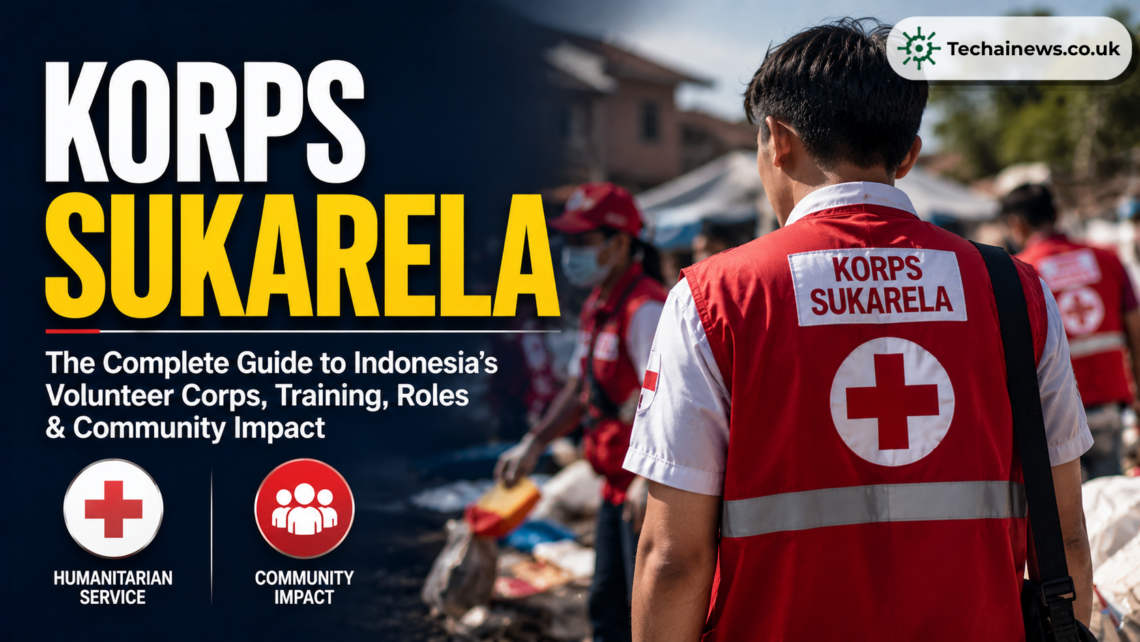
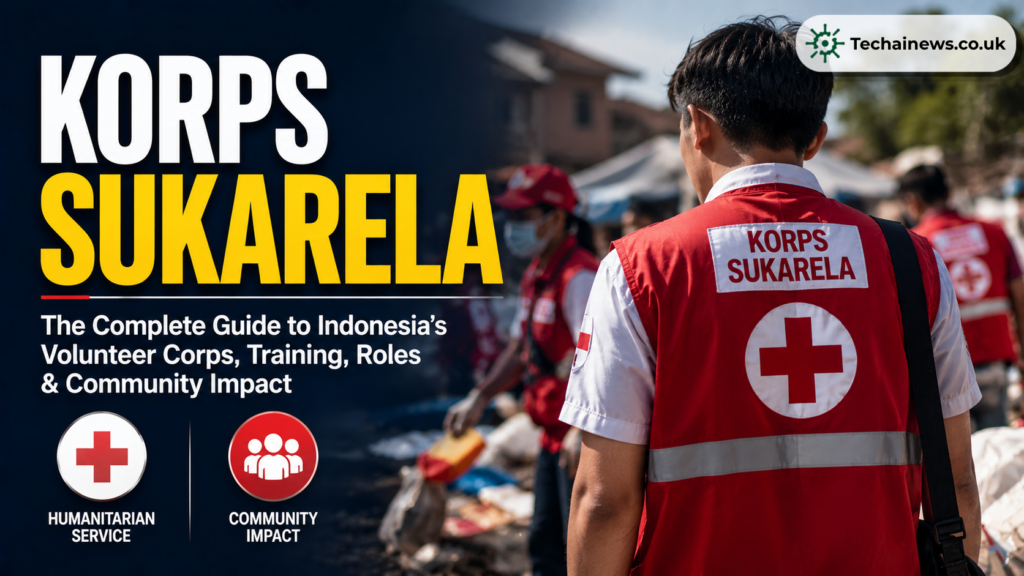
Korps Sukarela, often abbreviated as KSR, translates to Volunteer Corps in English. It refers to organized volunteers who dedicate their time and skills to humanitarian service, disaster management, first aid, health education, and community support.
Many KSR members are affiliated with Palang Merah Indonesia and receive structured education before participating in field activities. Their mission is based on helping people regardless of social status, religion, ethnicity, or background.
Unlike casual volunteering, Korps Sukarela emphasizes preparation, discipline, teamwork, and ethical responsibility.
History and Development of Korps Sukarela
Indonesia has a long tradition of community cooperation known as gotong royong, where people work together for the common good. Korps Sukarela reflects this spirit by organizing volunteers into trained humanitarian teams.
Over the years, KSR has expanded across universities, regional PMI branches, and local communities. As Indonesia frequently experiences earthquakes, volcanic eruptions, floods, and other natural disasters, trained volunteer networks have become increasingly valuable.
Today, Korps Sukarela supports emergency operations while also participating in preventive education and community resilience programs.
Relationship Between Korps Sukarela and Palang Merah Indonesia
One of the biggest misunderstandings is that Korps Sukarela operates independently. In reality, many KSR units function as volunteer organizations under Palang Merah Indonesia and receive standardized education and guidance through that structure.
According to official PMI information, volunteers can join through local branches or university units and receive organized humanitarian training before serving in official activities. This framework helps maintain quality, safety, and consistent operating procedures.
Core Mission of Korps Sukarela
The objectives of Korps Sukarela include:
- Providing humanitarian assistance
- Supporting disaster preparedness and response
- Delivering first aid during emergencies
- Promoting public health awareness
- Assisting blood donation campaigns
- Educating local communities
- Encouraging youth leadership and volunteerism
- Strengthening cooperation during crises
Its mission combines compassion with practical action.
Main Responsibilities of KSR Volunteers
Disaster Response
Indonesia experiences frequent natural disasters. KSR volunteers may assist evacuation efforts, establish temporary shelters, distribute relief supplies, and support affected families under proper coordination.
First Aid Services
Many volunteers receive first aid education that enables them to provide initial assistance before professional medical teams arrive.
Community Health Campaigns
Volunteers often participate in health education programs covering hygiene, disease prevention, nutrition, and public awareness.
Blood Donation Activities
KSR frequently supports blood donation drives by helping organize events, assisting participants, and promoting voluntary donations.
Public Education
Educational workshops in schools and communities help spread knowledge about emergency preparedness, health practices, and humanitarian values.
Event Medical Support
Large public events sometimes require volunteer medical teams capable of responding quickly to injuries or health emergencies.
How to Become a Korps Sukarela Member
Although specific procedures vary by region, becoming a KSR volunteer generally includes:
| Step | Description |
|---|---|
| Application | Register through a local PMI office or approved KSR unit |
| Eligibility Review | Meet minimum requirements and complete registration |
| Basic Training | Learn humanitarian principles and operational skills |
| Practical Exercises | Participate in simulations and supervised activities |
| Certification | Complete required education before active service |
| Continued Learning | Attend additional training and specialized programs |
Official PMI guidance notes that applicants generally complete organized education before becoming active members.
Training Provided to Volunteers
Training often includes the following:
- Basic first aid
- Disaster preparedness
- Emergency communication
- Team coordination
- Search and support procedures
- Humanitarian ethics
- Community outreach
- Leadership development
- Volunteer management
- Safety protocols
This education allows volunteers to respond calmly and effectively during emergencies.
Skills Developed Through Korps Sukarela
Participating in KSR can strengthen both technical and personal abilities.
Technical Skills
- Emergency response
- Patient assessment
- Basic medical assistance
- Disaster logistics
- Public health communication
Soft Skills
- Leadership
- Teamwork
- Problem solving
- Time management
- Public speaking
- Decision-making under pressure
- Empathy and communication
These skills are valuable in both volunteer service and professional careers.
Why Korps Sukarela Matters
Volunteer organizations fill critical gaps when communities face sudden challenges.
For example, after severe flooding, official emergency services may be overwhelmed. Trained volunteers can help distribute food, assist evacuation centers, organize supplies, and provide first aid while professional responders manage larger operations.
The presence of organized volunteer corps increases resilience and speeds recovery.
Common Activities Throughout the Year
Korps Sukarela is active even when disasters are not occurring.
Regular activities may include:
- Health awareness campaigns
- Community service events
- School education programs
- Blood donation campaigns
- Volunteer training sessions
- Emergency drills
- Environmental cleanup projects
- Public safety workshops
This continuous engagement keeps volunteers prepared while benefiting local communities.
Common Misconceptions About Korps Sukarela
Myth: Anyone can immediately join disaster missions
Reality: Volunteers usually complete structured training before participating in official operations.
Myth: KSR only works during natural disasters
Reality: Activities continue throughout the year with education, health promotion, and community service.
Myth: Volunteers only perform medical work
Reality: Members contribute to logistics, communications, education, planning, coordination, and public outreach.
Myth: Students are the only participants
Reality: Many adults from different professions also volunteer.
Practical Example
Imagine a university student who joins KSR after completing training.
Months later, flooding affects nearby communities. The volunteer helps register displaced families, distributes emergency supplies, provides basic first aid under supervision, and assists public health teams with sanitation education.
Outside emergencies, the same volunteer supports blood drives and teaches first aid workshops at local schools.
This illustrates how KSR combines preparedness with ongoing community engagement.
Benefits of Joining Korps Sukarela
| Benefit | Description |
|---|---|
| Humanitarian service | Directly helps communities in need |
| Professional growth | Builds leadership and communication skills |
| Emergency knowledge | Improves disaster readiness |
| Networking | Connects volunteers with experienced professionals |
| Practical experience | Offers real field exposure |
| Personal fulfillment | Creates opportunities to make a meaningful difference |
Challenges Volunteers May Face
Volunteer service also comes with responsibilities.
Potential challenges include the following:
- Physically demanding assignments
- Emotional stress during emergencies
- Long working hours during disasters
- Continuous training requirements
- Working in unpredictable environments
- Maintaining safety protocols under pressure
Proper preparation and teamwork help volunteers manage these challenges effectively.
Expert Perspective
Well-organized volunteer corps provide value beyond immediate emergency response. They create stronger communities by increasing preparedness, spreading practical knowledge, and encouraging civic responsibility.
From a disaster management perspective, trained volunteers serve as force multipliers. They support official agencies while strengthening public resilience through education and local engagement.
Best Practices for New Volunteers
If you are considering joining Korps Sukarela:
- Learn the organization’s humanitarian principles.
- Complete all required training seriously.
- Develop strong teamwork skills.
- Follow safety procedures at all times.
- Continue learning after certification.
- Respect local communities and cultural differences.
- Maintain professionalism during every assignment.
- Stay physically and mentally prepared.
Frequently Asked Questions
What does Korps Sukarela mean?
“Korps Sukarela” means “Volunteer Corps” and commonly refers to organized humanitarian volunteers, particularly within the Indonesian Red Cross framework.
Is Korps Sukarela part of the Indonesian Red Cross?
Many KSR units operate under Palang Merah Indonesia and follow its volunteer structure and training system.
Who can join Korps Sukarela?
Eligibility requirements vary, but adults who meet local qualifications and complete training may apply through authorized units.
Do volunteers receive training?
Yes. Structured education in first aid, disaster response, humanitarian principles, and related skills is typically required before active participation.
Does Korps Sukarela only respond to disasters?
No. Members also participate in health campaigns, education programs, blood donation activities, and community outreach.
Are university students involved?
Yes. Many universities host KSR units, although membership is not limited to students.
Is previous medical experience required?
Generally, no. Basic skills are taught during volunteer training programs.
Why is Korps Sukarela important in Indonesia?
The organization strengthens disaster preparedness, supports humanitarian operations, promotes public health, and helps communities respond more effectively during emergencies.
Final Thoughts
Korps Sukarela represents the spirit of organized volunteerism in Indonesia. Through structured training, teamwork, and humanitarian commitment, its members contribute to disaster relief, health promotion, and community development across the country. Whether supporting emergency operations or leading educational campaigns, KSR volunteers demonstrate how prepared citizens can make a lasting difference in the lives of others. For anyone interested in service, leadership, and practical community impact, understanding Korps Sukarela offers valuable insight into one of Indonesia’s most meaningful volunteer traditions.