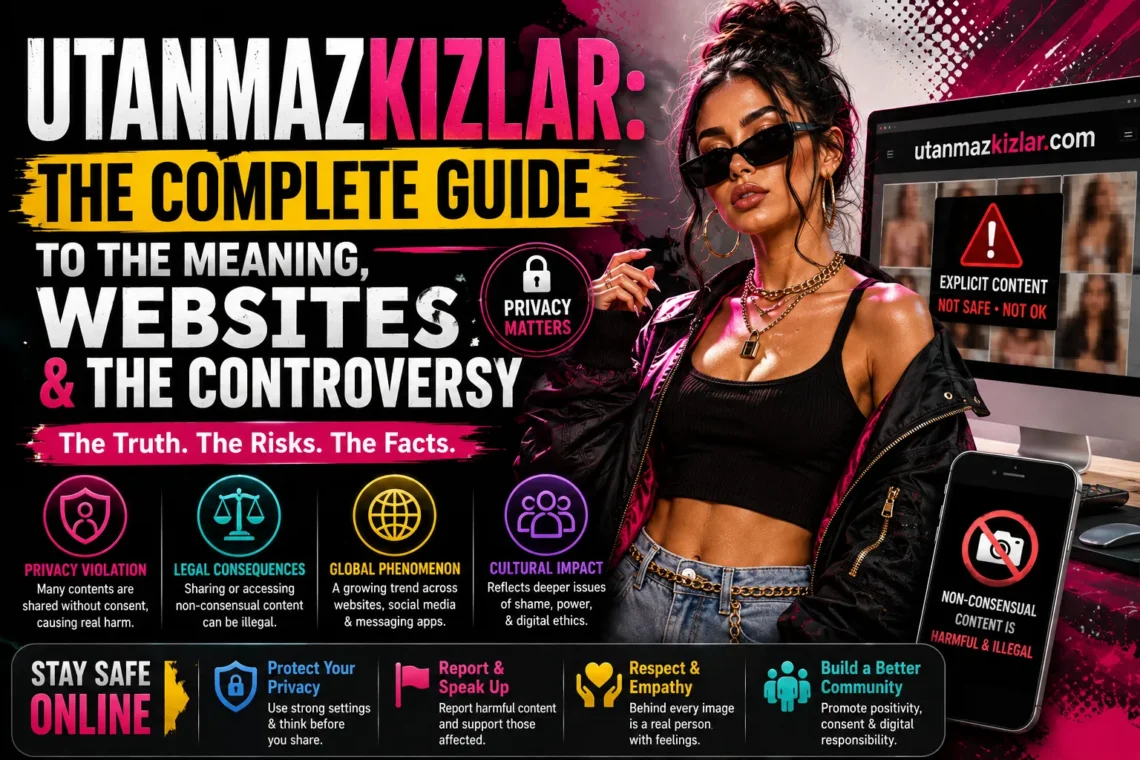
You may have come across the term “utanmazkızlar” while browsing the internet or scrolling through social media. The word is Turkish, and it translates literally to “shameless girls.” But behind this simple translation lies a complex and controversial online phenomenon that has gained significant attention in recent years.
This guide provides a comprehensive look at what utanmazkızlar means, the websites and platforms associated with it, the cultural context surrounding the term, and the legal and ethical issues it raises. Whether you are curious about the trend, concerned about its implications, or simply trying to understand what all the talk is about, this article gives you a complete picture.
What Does Utanmazkızlar Mean?
The term “utanmazkızlar” is a combination of two Turkish words. “Utanmaz” means “shameless,” “brazen,” or “without shame.” “Kızlar” means girls. Together, the phrase refers to “shameless girls.”
In Turkish culture, the concept of shame, or “utanç,” carries significant weight. It is tied to notions of honor, modesty, and social reputation. Calling someone “utanmaz” is a strong accusation that implies they have violated social norms or expectations of proper behavior.
The Literal Translation
| Turkish Word | English Translation |
|---|---|
| Utanmaz | Shameless, brazen, without shame |
| Kızlar | Girls |
| Utanmazkızlar | Shameless girls |
Cultural Context
In many traditional societies, including Turkey, women and girls are often expected to adhere to certain standards of modesty and behavior. The term “utanmaz” challenges these expectations. It can be used as an insult, a judgment, or even a badge of defiance.
The Utanmazkızlar Websites and Online Presence
The term “utanmazkızlar” has become closely associated with a network of websites and online platforms that host explicit content. The most prominent of these is utanmazkizlar.com.
Utanmazkizlar.com
Utanmazkizlar.com is a website that describes itself as a platform for Turkish “ifşa” content. The term “ifşa” in Turkish means exposure or disclosure, but in the context of this website, it refers to the sharing of explicit videos and images, often without the consent of the people featured.
The site’s content includes videos and images of Turkish women, often labeled with descriptive and sometimes degrading titles. The website appears to operate as a content aggregator, pulling together material from various sources and making it available to visitors.
Telegram Channels
Beyond the website, the utanmazkızlar phenomenon has spread to other platforms. There is a Telegram channel called “Utanmaz Kızlar” with the username @utanmaz_kizlar. Telegram is a messaging app that allows for the creation of large group chats and channels. These channels can be used to share content, including explicit material.
A separate Telegram channel called “UtanmazKızlar Premium Tanıtım” has over 2,500 subscribers. The word “premium” suggests that some content may be available only to paying members.
Social Media Presence
The UTANMAZ KIZLAR brand also has a presence on Facebook, with a page listed under the name “UTANMAZ KIZLAR.” This page is categorized as music, though its actual content is unclear.
The “Ifşa” Culture in Turkey
To understand utanmazkızlar, it is helpful to understand the broader “ifşa” culture that exists in Turkey and other parts of the world.
What Is Ifşa?
“Ifşa” is a Turkish term that means “exposure” or “disclosure.” In the context of online content, it refers to the sharing of private or intimate images and videos, often without the consent of the individuals involved. This can include:
- Leaked private videos
- Non-consensual sharing of intimate content
- Revenge porn
- Hidden camera footage
The Problem of Non-Consensual Content
One of the most serious issues with ifşa content is that much of it is shared without the consent of the people featured. This is a violation of privacy and can cause significant harm to the individuals involved. The sharing of such content can lead to:
- Emotional distress and trauma
- Damage to personal and professional reputations
- Harassment and bullying
- Mental health issues
The Legal Landscape
In many countries, including Turkey, the sharing of non-consensual intimate content is illegal. Laws exist to protect individuals from having their private images shared without their permission. However, enforcing these laws can be challenging, especially when content is shared across borders or on platforms that are difficult to regulate.
The Norwegian Connection: “Skamløse Jenter”
Interestingly, the concept of “shameless girls” is not unique to Turkey. In Norway, a group of young Muslims called themselves “skamløse jenter,” which translates to “shameless girls.” This group gained attention for challenging traditional norms and expectations.
The Norwegian group was inspired by the popular youth drama series “Skam” (which means shame or disgrace in Norwegian). The series, which aired from 2015 to 2017, explored topics such as religion, sexuality, mental health, and social pressure. It became a cultural phenomenon and even inspired an academic course at the University of Oslo.
The “skamløse jenter” group used the term as a form of empowerment, reclaiming a word that was often used to shame them. This is a stark contrast to the Turkish utanmazkızlar websites, which use the term in a very different context.
The Ethics of Utanmazkızlar Content
The utanmazkızlar websites and channels raise serious ethical questions.
Consent
The most fundamental ethical issue is consent. Much of the content shared on these platforms appears to be shared without the consent of the individuals featured. This is a violation of their rights and dignity.
Exploitation
These platforms often profit from the sharing of intimate content. Whether through advertising, premium memberships, or other means, they are financially benefiting from material that may have been obtained and shared without permission.
Harm
The sharing of non-consensual intimate content can cause significant harm to the individuals involved. This includes emotional distress, damage to relationships, and long-term psychological consequences.
Normalization
Platforms that share this type of content can contribute to the normalization of non-consensual sharing. This can create a culture where privacy violations are seen as acceptable or even expected.
The Risks of Visiting Utanmazkızlar Websites
Visiting websites like utanmazkizlar.com carries several risks.
Legal Risks
Depending on your location, accessing or sharing non-consensual intimate content may be illegal. This could result in legal consequences.
Security Risks
Websites that host explicit content are often poorly secured and may contain malware or viruses. Visiting these sites can put your device and personal information at risk.
Privacy Risks
These websites may track your activity or collect your personal information. This could be used for targeted advertising or sold to third parties.
Ethical Risks
By visiting these websites, you may be contributing to the demand for content that is shared without consent. This can perpetuate harm to the individuals involved.
Common Misconceptions About Utanmazkızlar
Misconception 1: All Content Is Consensual
Many people assume that because content is available online, it must have been shared with consent. This is not always the case. Much of the content on ifşa websites is shared without the permission of the people featured.
Misconception 2: It Is Harmless Entertainment
Some people view these websites as harmless entertainment. However, the sharing of non-consensual intimate content can cause real harm to real people.
Misconception 3: The Term Is Always Negative
While “utanmazkızlar” is often used in a negative context, the term has also been reclaimed by some groups as a form of empowerment. The Norwegian “skamløse jenter” is an example of this.
Misconception 4: These Websites Are Legal
The legality of these websites depends on the content they host and the laws of the country where they operate. In many cases, sharing non-consensual intimate content is illegal.
How to Protect Yourself Online
If you are concerned about your privacy or the privacy of others, here are some steps you can take.
Think Before You Share
Once an image or video is shared online, it can be nearly impossible to remove. Think carefully before sharing any intimate content.
Use Strong Privacy Settings
Adjust your privacy settings on social media and other platforms to control who can see your content.
Be Aware of Scams
Be cautious of messages or requests that seem suspicious. Scammers may try to obtain intimate content for the purpose of extortion.
Report Non-Consensual Content
If you come across content that appears to have been shared without consent, report it to the platform where it is hosted.
Seek Help if Needed
If you have been affected by the non-consensual sharing of intimate content, seek support from trusted friends, family, or professionals.
Frequently Asked Questions
What does utanmazkızlar mean?
Utanmazkızlar is a Turkish term that translates to “shameless girls.” It is used in various contexts, including as the name of websites that host explicit content.
What is utanmazkizlar.com?
Utanmazkizlar.com is a website that hosts Turkish “ifşa” (exposure) content, including explicit videos and images. Much of this content is shared without the consent of the individuals featured.
Is utanmazkızlar content legal?
The legality of the content depends on the specific material and the laws of the country where it is hosted. Sharing non-consensual intimate content is illegal in many places.
Is it safe to visit utanmazkızlar websites?
Visiting these websites carries several risks, including legal risks, security risks (such as malware), and privacy risks. It is generally not recommended.
What does “ifşa” mean?
“Ifşa” is a Turkish term that means “exposure” or “disclosure.” In the context of online content, it refers to the sharing of private or intimate images and videos, often without consent.
Is there a positive meaning of “shameless girls”?
Yes. In Norway, a group of young Muslims called themselves “skamløse jenter” (shameless girls) as a form of empowerment, challenging traditional norms and expectations.
What should I do if I find my content on one of these websites?
If you find your content shared without your consent, report it to the platform where it is hosted. You may also want to seek legal advice and support from organizations that help victims of non-consensual image sharing.
Why are these websites popular?
These websites attract visitors who are curious about explicit content or who seek out material that is not available through mainstream channels. However, the popularity of these sites does not make them ethical or legal.
How can I protect my privacy online?
Use strong privacy settings, be cautious about what you share, and be aware of scams. Think carefully before sharing any intimate content.
What are the consequences of sharing non-consensual content?
Sharing non-consensual content can cause significant harm to the individuals involved, including emotional distress, damage to reputations, and legal consequences for the person who shares the content.
Final Thoughts
Utanmazkızlar is a term that carries multiple meanings and connotations. On one hand, it refers to a network of websites and platforms that host explicit content, often shared without consent. On the other hand, the term has been used by some groups as a form of empowerment, challenging traditional norms and expectations.
The websites associated with utanmazkızlar raise serious ethical and legal questions. The sharing of non-consensual intimate content is a violation of privacy and can cause significant harm. It is important to be aware of these issues and to think critically about the content we consume and share online.
At the same time, the concept of “shameless girls” has also been reclaimed in positive ways. The Norwegian “skamløse jenter” group used the term to challenge societal expectations and embrace their identities. This shows that even words with negative connotations can be transformed into symbols of empowerment.
Ultimately, the utanmazkızlar phenomenon highlights the complex relationship between language, culture, and the internet. It reminds us of the importance of consent, privacy, and respect in our digital lives. Whether you encounter the term in a negative or positive context, understanding its meaning and implications can help you navigate the online world with greater awareness and responsibility.
Read More: Baddiehuv: The Ultimate Guide to the Bold Fashion and Lifestyle Movement





One comment on “Utanmazkızlar: Understanding the Turkish “Shameless Girls” Phenomenon”